function reviews_categories_links_shortcode() { global $post; $terms = get_the_terms($post->ID, 'categories'); if (empty($terms) || is_wp_error($terms)) { return ''; } $term_links = array_map(function($term) { $link = get_term_link($term); return !is_wp_error($link) ? '' . esc_html($term->name) . '' : ''; }, $terms); return implode(', ', $term_links); } add_shortcode('review_categories_links', 'reviews_categories_links_shortcode');

O-G Family & General Dentistry


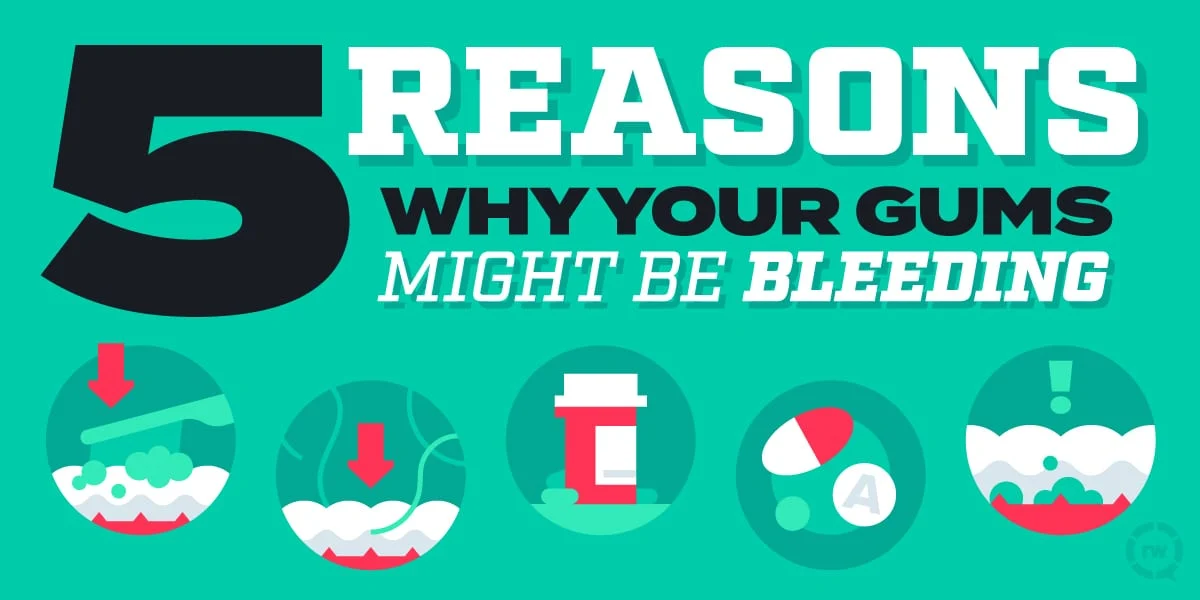
5 Reasons Why Your Gum May Be Bleeding

Image

Seeing some red in the sink after brushing or flossing may raise an eyebrow or two. It may seem like your gums are bleeding for no reason. But before you venture down the rabbit hole of what-ifs, consider these common causes of gum bleeding.

Common Causes of Bleeding Gums
• Vigorous Toothbrushing
The extra oomph you’ve put into your brushing since your most recent visit may be the first place to look. Instead of brushing with the vigor you’d use while scrubbing a stack of plates after Thanksgiving, aim for gentle and patient: place the bristles along your gums at a 45-degree angle, and gently brush two to three teeth at a time.
• Inadequate or Forceful Flossing
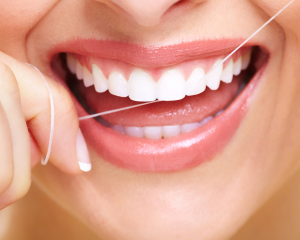
Changing your flossing routine can also cause your gums to bleed. If you’ve returned to regular flossing after a little hiatus or if you’re flossing more forcefully than usual, bleeding is common. Remember to floss daily and with ease.
• Medication
Some over-the-counter medications, including aspirin, as well as prescription drugs, like blood thinners, may lead to gum bleeding. Be sure to let us know which medications you’re taking, and keep us in the loop if you and your healthcare provider change your medications.
• Vitamin Deficiency
A deficiency in vitamins is a common factor in gum bleeding. Vitamin A helps form your teeth and protects your mouth’s membranes; vitamin C helps maintain the health of your teeth and gums; and vitamin K ensures your blood clots. If you’ve upped your hygiene game but still spot blood after brushing, try adding more vitamin-rich foods to your diet.
• Gingivitis and Periodontitis
Gum bleeding, as well as swelling and tenderness, is a common symptom of gingivitis and periodontitis. Often due to poor oral hygiene, both gingivitis and the more-serious periodontitis do require treatment.

When It’s Time for a Visit – If you make changes to your oral health routine but the bleeding doesn’t improve within 10 days, it’s best to come in for a visit. Please give us a call at 419 419 3334 to set up an appointment! – our dentists

Posted by O-G Family & General Dentistry on May 22nd, 2025 7:22 am
Posted in
| Comments Off on 5 Reasons Why Your Gum May Be Bleeding

Oral Cancer Awareness

Has there ever been a moment in your life where you felt that you should be a part of something bigger than yourself? An organization, a charity, or a non-profit perhaps? Humans are born with the innate desire to help others, so it’s no wonder that we may feel the need to give back to the world in one way or another. And sometimes, it’s the simple acts that yield the most difference. This month you have the opportunity to get involved with a sweeping issue that goes unnoticed too often, and you may help save a life by doing it.

April is Oral Cancer Awareness Month and we need to stir up some conversation. Oral cancer awareness in the American public is extremely low, with very little acknowledgment of its devastating realities. According to the AAOMS, oral and pharyngeal cancer (cancer of the upper throat and mouth) collectively kills nearly one person of every hour of everyday of the year. Approximately 48,250 people in the US will be newly diagnosed with oral cancer this year. While smoking and tobacco use are still major risk factors, the fastest growing segment of oral cancer patients is healthy, young, nonsmoking individuals. We know this sounds scary, but the truth of the matter is that it is scary, and we need to confront the concern head on.

Awareness is so much more than just knowing about an issue, it’s also about collective, meaningful action. Share this information with your family, friends, and coworkers. Help educate those around you about the importance of regular self-exams and screenings. Oral cancer is not a new phenomenon, but with advancing technologies and the ability to rapidly share information, we can have a new approach. It is possible for fatalities to be avoided! As reported by the AAOMS, the death rate associated with oral and pharyngeal cancers remains particularly high due to the cancer being routinely discovered late in its development. This means our voice can carry the power to make a difference in the world of oral cancers.

April 10-16th is Oral, Head and Neck Cancer Week (OHANCAW).

A message from President Louis K. Rafetto, DMD, mentions that the AAOMS is joining a number of dental organizations in support of the Oral Cancer Foundation’s 17th annual observance this April. This designated week will encourage practitioners, patients and other interested individuals (like YOU) to promote head and neck cancer awareness through the use of public service announcements, news releases, talks at middle and high schools, walk-a-thons, and other community-based activities.

Posted by O-G Family & General Dentistry on May 22nd, 2025 7:17 am
Posted in
| Comments Off on Oral Cancer Awareness

How to Handle Common Dental Emergencies

Image

Let’s say you sprained an ankle. What are your first steps? Most of us probably would say something along the lines of plop down on the nearest couch, ice the ankle, elevate it, add some compression, and see a doctor if it’s a bad sprain.

But what about a dental emergency, like a broken tooth? What’s your first step?

Don’t be surprised if you don’t know. Most of us aren’t that familiar with the
recommendations. But after this post, you’ll be the go-to source if it happens.

So What, Exactly, is a Dental Emergency?

A dental emergency is any event that warrants immediate care to save a tooth, stop bleeding from the mouth, or relieve tooth or mouth pain. Some of the most common examples we see at O-G Family & General Dentistry include a cracked or knocked-out tooth or a toothache.

Tips for Treating Common Dental Emergencies:
We see our fair share of dental emergencies here in Putnam County and we’re equipped to handle them all. If you or a family member experience any of these, call us as soon as possible, and we’ll let you know if you’ll need to be seen in the office.
• Knocked-out tooth
For adults, place the tooth in the socket without touching the root; if that’s not possible, place the tooth between your check and gums, in milk, or in ADA-approved tooth-preservation solution. It’s crucial to keep the tooth wet. For children with baby teeth, come to our office as soon as possible; do not try to place the tooth in the socket.
• Cracked tooth
Rinse your mouth, and place an ice pack on your face to reduce the swelling. Wrap the tooth up in wet gauze or a towel, and bring it to the office.
• Toothache
Use warm water to rinse your mouth, and gently floss to remove any food.
If you note any facial swelling (which may signal infection), come to our office or your healthcare provider as soon as possible.
• Bitten Tongue or Lip
Clean the area with a cloth, or rinse your mouth with water. Apply an ice pack to the area. If the bleeding doesn’t slow, come to our office or go to the ER.

Tips for Preventing Emergencies

Taking the right measures can keep your teeth safe. Here are a few easy precautions you and your family can take each day:
• Use scissors or a tool, rather than your teeth, to open or cut items
• Wear a mouth guard when playing high-impact sports, like football, basketball, and soccer
• Wear a helmet when using a bike, scooter, or skateboard
• Never chew hard foods, like ice and hard candy
• Help young children keep toys and small items out of their mouths

Need More Information?
Give us a call or send us an email. Everyone at O-G Family & General Dentistry is happy to answer any questions you may have!

Posted by O-G Family & General Dentistry on Feb 19th, 2021 3:02 am
Posted in
| Comments Off on How to Handle Common Dental Emergencies

Invisalign®: Finally, a Straighter Smile for Anyone!

Image

Ten years ago, it was rare to see braces on the teeth of an adult. Options for straightening teeth simply did not exist widely for the adult population. It wasn’t that adults couldn’t have braces, it was just that they didn’t want to be seen in public with them. After all, it’s one thing to see a teenager with metal brackets and wires in his or her mouth, but it’s an entirely different matter to see an adult that way.

Not everyone has been presented the opportunity to have braces. For many people who did not have the option as a teen, they simply had to continue their life with crooked, crowded, or over-spaced teeth.

Enter Invisalign®. The invention of clear braces has opened up the door to an improved smile for adults no matter what their age. In fact, we have Invisalign® patients that span the entire range of ages, from teens to seniors in the later stages of life.

Why? Invisalign® knows no age. Because it is nearly invisible, it is a much more realistic choice for adults than traditional braces were in the past. Invisalign® is also removable, allowing you to live a more “normal” life in terms of diet, exercise and oral hygiene.

If you are interested in an enhanced smile, Invisalign® might be the right first step for you. Give O-G Family & General Dentistry a call for more information!

Posted by O-G Family & General Dentistry on Aug 12th, 2016 3:19 am
Posted in
| Comments Off on Invisalign®: Finally, a Straighter Smile for Anyone!

What Type of Floss Should I Use?

Image

We know we don’t have to tell you this—but flossing at least once a day is key to healthy gums and teeth! And while studies have shown it doesn’t really matter what kind of floss you use (as long as you do it!), people are more likely to use floss that’s easy for them to use. We’ve broken down the different types of floss, so you can decide which is best for you!

Waxed and Unwaxed

Waxed floss will glide easier, but there isn’t really any other difference between waxed and unwaxed floss. If your teeth are close together, try one of these.

Ultra Floss

Ultra floss is a thicker floss that can be stretched to fit between tight spaces between your teeth; this is a good option if the closeness of your teeth varies.

Tape

Dental tape is a relatively new addition to the floss family. This fatter floss option is made from plastic and has a bit more stretch. If you have wide spaces between your teeth or have sensitive gums, try this ribbon-like floss.

Flossing picks

If you find yourself on the go—or if you hate the feeling of floss wrapped around your fingers—try disposable picks that have handles to make flossing a little easier!

Oral Irrigators

Recent trials are inconclusive on whether using a water flosser is as effective as traditional floss, but studies agree that using an oral irrigator is better than not flossing at all!

So which one is the best? Any one you’ll actually use! Don’t hesitate to ask us for different types of floss at your next cleaning to see what works best for you!

Posted by O-G Family & General Dentistry on May 19th, 2016 9:12 am
Posted in
| Comments Off on What Type of Floss Should I Use?

Oral Bacteria: Get the Facts

Image

We all have bacteria in our mouth, good and bad. But what exactly do these bacteria do? We’ve got all kinds of information on the role bacteria play in your oral health. Learn more about those pesky bacteria in your mouth!

Fact #1

There are anywhere between 500 and 1,000 different kinds of bacteria in our mouths.

Fact #2

Babies’ mouths are free of bacteria at birth. However, bacteria is transferred into their mouths from their mothers within hours of birth, mainly through kissing and food sharing.

Fact #3

Saliva flushes harmful bacteria out of the mouth by making it hard for bacteria to stick to the surfaces of our teeth.

Fact #4

Some foods can also flush bacteria from the teeth. Crunchy vegetables like carrots and celery stimulate the gums, while acidic fruits like apples increase saliva production to wash the teeth clean.

Fact #5

The tongue holds a significant portion of the mouth’s bacteria. It’s just as important to clean the tongue as it is to brush and floss, because bacteria on the tongue contributes to gum disease and bad breath. Try using a plastic or metal tongue scraper to clear out bacteria!

Fact #6

Hormonal changes during pregnancy put soon-to-be mothers at a higher risk of tooth erosion. Morning sickness and general hormonal changes cause acidity in the mouth to increase, which in turn erodes enamel.

Fact #7

Smoking increases your risk of tooth decay and gum disease. Not all bacteria are bad; in fact, some are even necessary to maintain hygienic balance. However, smoking tobacco destroys helpful bacteria in the mouth, which promotes the growth of harmful oral bacteria.

Fact #8

Oral bacteria multiply in number every 4-5 hours. No wonder it’s so important to brush teeth twice a day!

Who knew something so small could have such a big impact on your oral health! Make sure to schedule regular dental exams with us to keep oral bacteria under control for a clean, healthy smile!

Posted by O-G Family & General Dentistry on May 18th, 2016 10:30 am
Posted in
| Comments Off on Oral Bacteria: Get the Facts

No Teeth? No Problem!

Image

Are missing teeth causing you difficulty, discomfort or embarrassment? Don’t worry – we have all the facts about tooth replacement treatments and the effectiveness of dental implants as a long-term solution for missing teeth.

What are dental implants?

Dental implants are replacement teeth made of titanium. They are composed of an artificial crown attached to a screw that is surgically implanted into the jaw for stability. Implants are an effective treatment for missing teeth because they maintain the strength of the jaw.

There are a few alternative treatment options, some more lasting than others:

Flippers are temporary, removable plastic teeth. They are attached to a retainer for easy removal. Flippers are one of the most cost efficient tooth replacement methods; however, they are the least durable alternatives to dental implants and are considered short-term solutions until a more lasting treatment can be performed.

Fixed bridges literally “bridge” gaps caused by one or more missing teeth. A dental bridge consists of a false tooth, called a pontic, and two abutment teeth, which are crowns that anchor the bridge to the teeth on either side of the gap. Abutment teeth can be secured to both natural teeth and dental implants; however, anchoring them to natural teeth can cause damage.

Dentures are a common treatment for individuals missing all their teeth in one or both of their jaws. They are made of a removable frame that holds an entire set of teeth.

Removable partial dentures are removable frames that hold a partial set of teeth rather than a full set of teeth. This option is often considered for individuals who are missing some but not all of their teeth in one or both jaws.

Why choose dental implants?

Implants are the longest lasting treatment for missing teeth. With proper care, dental implants can last up to ten years or longer. Because they are surgically anchored into the jawbone, they function like natural teeth.

Posted by O-G Family & General Dentistry on May 4th, 2016 10:29 am
Posted in
| Comments Off on No Teeth? No Problem!

Natural Teeth Whitening

Image

How many different ways have you tried to get white, sparkly teeth? The Internet has all kinds of options, from teeth whitening strips to natural remedies like baking soda and lemon juice, or gargling apple cider vinegar. But have you heard of whitening your teeth with oil? Learn about the oil pulling method and why people are raving about this natural remedy for stained teeth!

What is oil pulling?

Oil pulling is the ancient Ayurvedic ritual where oils are used to detoxify the body, kill bacteria in the mouth, and whiten teeth naturally. Coconut, sesame, and olive oil are just a few popular oils used for whitening.

How to oil pull:

  1. Take a teaspoon of your preferred oil.
  2. Gently swish the oil around in your mouth for anywhere from 5 to 20 minutes, swishing and pulling the oil through your teeth.
  3. Spit the oil out in a tissue and throw in the garbage (don’t spit down the sink, it will clog the drain!)
  4. Brush and floss your teeth regularly.

Oils and oral health

Oil pulling isn’t just a teeth whitening technique – it does amazing things for your overall oral health. Coconut oil and other edible oils have antibacterial and antimicrobial properties that work to prevent cavities and bad breath. By removing bacteria, the oil prevents plaque buildup, which in turn strengthens gums and helps prevent gingivitis and more serious forms of gum disease (periodontitis).

Tips

  1. Don’t swallow the oil! You don’t want that bacteria from your mouth to stay in your body.
  2. Oil pulling is most effective in the morning before you eat or brush your teeth. This is because your mouth has the most bacteria when you first wake up. Plus, it can be easy to forget before bed with a busy schedule.
  3. The longer you oil pull, the more bacteria will be drawn from the mouth.
  4. Do something productive while you oil pull! It’s easy to multitask while whitening naturally: clean your room, play an instrument or kick back with a good book and let the oil work its magic!
  5. Natural teeth whitening doesn’t happen overnight: the best results occur approximately four months into your oil-pulling regimen. Keep at it!
Posted by O-G Family & General Dentistry on Apr 20th, 2016 9:23 am
Posted in
| Comments Off on Natural Teeth Whitening

Get Checked, April is Oral Cancer Awareness Month!

Image

Being that we are entering April, now is the time to be proactive and get yourself checked for oral cancer. According to the American Cancer Society, about 48,330 people will be diagnosed with oral cancer, and an estimated 9,570 people will die from oral cancer in 2016. In the spirit of April’s Oral Cancer Awareness, we urge you to receive regular oral cancer examinations. Remember—early detection saves lives!

Are you at risk?

The sad truth is that oral cancers are more than twice as common in men as in women, and the fastest growing group of oral cancer patients are young, healthy, nonsmoking individuals. It is more important than ever for young adults, as well as older men and women, to get regular screenings whether they think they’re at risk or not.

Knowing the risks can help you make educated decisions about your health. There are several risks that increase your chances of developing oral cancer:

  • Smoking and using tobacco products have been a known long-term historic causes of oral cancer.
  • Heavy alcohol usage also makes you more susceptible to develop oral cancer.
  • The HPV virus, a sexually-transmitted disease, is the leading cause of oropharyngeal (the back part of the mouth) cancer.

What are the signs and symptoms?

The mouth is one of the body’s most crucial early warning signs in the fight against oral cancer. In between regular dental visits, it’s important to be aware of the mouth’s signs and symptoms. Remember, if you see any of these signs or symptoms, schedule an appointment at the office if you don’t see improvement within two-three weeks:

  • Hoarseness, chronic sore throat, or change in voice.
  • The development of white, red, or speckled (white and red) patches in the mouth.
  • Lumps, thickening tissues, rough spots, crusty or eroded areas.
  • Difficulty chewing or swallowing, speaking, or moving the jaw or tongue.
  • A change in the way your teeth or dentures fit together when you close your mouth.
  • Dramatic weight loss.
  • Unexplained numbness, loss of feeling, or pain/tenderness in any area of the face, mouth, or neck.
  • Unexplained bleeding in the mouth.

Don’t wait any longer. In the spirit of Oral Cancer Awareness Month, be proactive about your oral health, and get checked today!

Posted by O-G Family & General Dentistry on Apr 6th, 2016 9:21 am
Posted in
| Comments Off on Get Checked, April is Oral Cancer Awareness Month!

Root Canal Awareness Week

Image

Never fear, root canals are here to save your teeth!

We all know that the best treatment is prevention. Identifying and working against potential problems is always going to be a better case scenario than repairing damage that has already run its course. Thanks to modern technology and the high standard of care the dental community at large implements, we have the opportunity to find and prevent dental problems before they escalate.

However, we also know that prevention isn’t always 100% successful, and that no treatment is a one-way street.  Sometimes, the roots of your teeth become infected.  Without root canal therapy, you will likely lose that tooth eventually.   

This month is Root Canal Awareness month, so we are focusing on addressing concerns and  dispelling myths regarding endodontic treatment.  For example, many people are afraid of the pain associated with endodontic treatment.  However, root canal therapy actually relieves pain, it doesn’t cause it.  Most people can return to work the same day after treatment.

Stay tuned into our blog and social media channels to learn more about root canal therapy, and how it is saving smiles, one tooth at a time!

Posted by O-G Family & General Dentistry on Mar 28th, 2016 9:15 am
Posted in
| Comments Off on Root Canal Awareness Week
Image

Dr. Anthony Nigro, DMD
& Dr. Anvita Rastogi

Call our office today at Glandorf Office Phone Number 419-419-3334 or 888-787-4808 to make an appointment.
Image

O-G Family & General Dentistry