O-G Family & General Dentistry


Order of Your Oral Hygiene Routine

Image

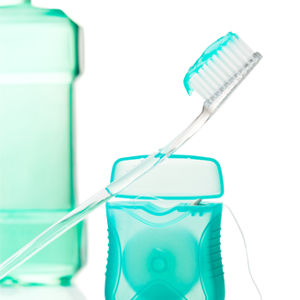
You’re awake, congratulations! Now, you are standing in front of the bathroom mirror, you’ve been wanting to upgrade your oral hygiene routine but you’ve heard a lot of conflicting information. There are so many tools and what order should you do them in? We’re here to help! If you’ve ever wondered, “What comes first brushing or flossing?” Read on!

  • You’ve probably heard us stress the importance of flossing at your appointments. Flossing is an incredibly important part of your mouth’s health. Flossing your teeth should take place one time per day. We recommend at night so that food does not rest in between your teeth while you sleep. Flossing before brushing is a lot like dusting before you vacuum. The particles will loosen with flossing and the brushing will sweep them away.
  • You may have guessed it: the second part of your oral hygiene regimen should be a 2-minute brushing. Dentists look at your mouth in terms of quadrants. Therefore, your mouth consists on four separate quadrants and to ensure proper use of your two minute brushing session, we recommend spending 30 seconds in each quadrant. This brushing routine should take place two times a day!
  • Brushing your teeth alone will not eliminate the majority of the harmful bacteria in your mouth. Cleaning your tongue is an easy addition to your routine and will benefit your mouth greatly. Take your toothbrush, apply a very small amount of toothpaste and brush your tongue in gentle, circular motions. You may opt for a tongue scraper instead, they can be purchased at most grocery stores.
  • The finishing touch for optimum oral health is mouthwash. Sip a small amount and swish for 30-40 seconds. Spit it out and you are done!

It may seem like a lengthy routine but it actually only totals about 4 minutes. If you value your oral health and want to spend less time in a dental chair, it will be worth your time, we promise!

Posted by O-G Family & General Dentistry on Feb 5th, 2016 9:07 am
Posted in
| Comments Off on Order of Your Oral Hygiene Routine

Winter Oral Health Tips

Image

If you get a runny nose this winter, you may be tempted to breathe through your mouth. While we know cold weather wreaks havoc on our lips (let’s just call it “Chapped-Lip Season” instead of winter), breathing through your mouth also triggers sensitivities and other oral health issues! Itchy skin and dry mouth are just two things that can irritate you this season however, here are some of tried-and-true methods to keep your mouth healthy all winter long.

Brush Up

Brush gently with a soft toothbrush. Aggressive brushing can cause more sensitivity! If you find that your teeth are feeling extra sensitive, use a desensitizing toothpaste. Rinsing with mouthwash daily and flossing your teeth will stimulate your gums so that they are less likely to recede in the cold months.

Drink Up

We know our bodies need at least eight glasses of water for optimal health, but did you know it’s important for oral health too? Drinking water rinses out your mouth and keeps it moist—keeping bacteria at bay. Moisture depletion can be maintained with proper hydration reducing the feeling of a dry mouth.

Bundle Up

Our teeth may be hard, but they are not immune to extreme cold! In fact, fluctuating in temperature too drastically can cause your teeth to expand and contract, this may cause hairline fractures in the surface. Limit your time in cold weather, and when that isn’t an option, trap heat near your face by wearing a scarf or mask when you have to brave the cold!

Posted by O-G Family & General Dentistry on Jan 13th, 2016 9:01 am
Posted in
| Comments Off on Winter Oral Health Tips

6 Reasons for Considering Dental Implants

Image

Loss of permanent teeth is more common than you’d think. The average adult age 20-34 is missing 1 permanent tooth, the average adult age 35-49 is missing 3 permanent teeth, and the average adult over the age of 50 is missing 6 permanent teeth! There are a variety of different tooth replacement options, but we believe that dental implants offer the most success, with the best aesthetics and functionality. Take a look at just a few of the many benefits of dental implants!

  1. Long-lasting. Dental implants are designed to be the permanent solution for missing teeth. Dental bridges last 5-10 years and crowns last 10-15 years, but dental implants can last 20 years, even a lifetime with proper dental care, making them a cost-efficient alternative to other modes of tooth replacement.
  2. No cavities. Because they are made of titanium, dental implants are not subject to decay. They also don’t put stress on other teeth, which helps avoid tooth erosion.
  3. Like natural teeth. Dental implants are natural-looking and fully functional. Unlike dentures, which are bulky and removable, cause sores and require the application of adhesive, dental implants are comfortable, permanent fixtures that don’t interfere with eating or speaking. And, because pressure is applied to the jaw bone when you bite down on dental implants, chewing with dental implants doesn’t feel any different from chewing with your natural teeth.
  4. Preserve jaw bone. Without a tooth to support, the jaw bone begins to atrophy, and this bone degradation makes the replacement of missing teeth nearly impossible without the help of jaw regenerative procedures such as bone grafting.
  5. Appearance. Your teeth play an important role in supporting your facial structure. Missing teeth can cause your features to sag and your face to lose shape, which tends to have an aging effect. Replacing missing teeth works wonders for improving your appearance and helping you look younger.
  6. Tooth stability. When you’re missing a tooth, your surrounding teeth are no longer stabilized and they start to shift out of position. Dental implants secure teeth in place and, as a result, prevent severe problems such as periodontal disease and further tooth loss.

Schedule a consultation with us if you’re ready to transform your smile!

Posted by O-G Family & General Dentistry on Dec 16th, 2015 8:58 am
Posted in
| Comments Off on 6 Reasons for Considering Dental Implants

Preventing Oral Cancer

Image

While we cannot all necessarily prevent cancer from happening, with most cancers, including oral, head and neck cancers, there are things that you can do (or not do!) to reduce your risk.

  • Quit Smoking: After five years of quitting smoking, your risk of oral cancer is cut down to just half of that of a smoker.
  • Limit Alcohol: Excessive alcohol use is the second largest risk factor for oral cancer. Limit drinks to one per day for women and two per day for men.
  • HPV Vaccine: HPV is the leading cause of oropharyngeal cancer (the back of the mouth and throat). HPV is also responsible for a small number of oral cavity cancers (the mouth).
  • Self-Exams: Be an advocate for your own health by regularly examining your mouth with a mirror and flashlight. Don’t forget to look under the tongue! Watch for unusual bumps, patches, different coloring, and report any to us that don’t heal within 14 days. Feel your lips, cheeks, throat and neck for unusual bumps and masses. There are a number of online guides for performing a thorough at home oral cancer self-exam.
  • Have Regular Checkups: Oral health professionals such as dentists and oral surgeons are the second line of defense (after you) in terms of screening for oral cancers. Be sure to ask us any questions that come up during your exam.
  • Eat Well: A healthy diet includes plentiful vegetables and fruits, is low in sugar and saturated fats, and includes lean sources of protein and whole grains. Incorporate new foods into your diet slowly for long lasting results.
  • Exercise: Aim for 30 minutes of moderate exercise a day or more!
  • Get Adequate Sleep and Minimize Stress: A lack of sleep and stress both contribute to inflammation which has long been recognized as a player in the cancer game.
Posted by O-G Family & General Dentistry on Dec 2nd, 2015 8:13 am
Posted in
| Comments Off on Preventing Oral Cancer

Dieting and Dental Health

Image

Giving up processed foods and artificial sugars is a great way to improve our overall health, but sometimes our “healthy” habits can actually deprive us of vital nutrients. Internal health is an important factor when it comes to oral hygiene, and cutting meat, dairy products or sugars out of your diet could lead to serious conditions such as gum disease if you don’t find the right substitutes. Keep reading for a list of nutrients you might be missing and some tips for balancing your diet with your oral health!

Zinc in saliva and enamel prevents the buildup of bacteria, which eventually turns to tartar or calculus. It is essential to preventing cavities and even gum disease (periodontitis). If you notice a metallic taste in your mouth, zinc deficiency may be to blame, as it causes a buildup of bacteria in the mouth.

  • Zinc-rich foods: Seafood, lean meats, dairy products
  • Alternatives: chickpeas, cashews, almonds

Gum swelling or bleeding may be a sign of Vitamin C deficiency. Vitamin C is necessary for collagen production, which is an essential part of the connective tissue in the gums surrounding the teeth.

  • Vitamin C-rich foods: citrus fruits
  • Alternatives: Bell peppers, tomatoes, sweet potatoes

A lack of calcium weakens the gums, and people who don’t eat animal and dairy products may be increasing their risk of periodontal disease. Calcium prevents bone degeneration, keeping the jaw strong and healthy so bacteria doesn’t destroy the bone that supports the teeth.

  • Calcium-rich foods: dairy products
  • Alternatives: chickpeas, broccoli, collard greens, oranges

Vitamin D works with calcium to promote strong bones. It increases calcium absorption, preventing tooth loss and jaw bone degeneration.

  • Vitamin D-rich foods: Fatty fish, egg yolk
  • Alternatives: mushrooms, tofu, dairy alternatives (i.e. soy milk)

If you notice a burning sensation in your mouth, specifically on your tongue, or frequent canker sores you may be suffering from iron deficiency. Iron deficiency leads to reduced red blood cells and decreased oxygen flow.

  • Iron-rich foods: Red meat, poultry, seafood
  • Alternatives: dried fruits, beans, dark leafy greens

Finding a solution to your symptoms may be as simple as picking up a few extra ingredients at your local supermarket! Adding some of these nutrient rich foods to your diet can help you get back on track with your oral health and wow us next time you visit our office!

Posted by O-G Family & General Dentistry on Nov 18th, 2015 5:33 am
Posted in
| Comments Off on Dieting and Dental Health

Seeking Whiter Teeth? Not So fast!

Image

“Can’t I just whiten my teeth at home?” Read on to learn why it’s important for teeth whitening to be prescribed and performed by a professional.

We’ve all seen them, those bulky little boxes of whitening strips and gel potions, calling our name out from the aisles as we casually pick up a fresh tube of toothpaste. I would even bet that more than a few of you have left the store clutching that box, hoping that the $50 will be worth it. After all, you don’t know much about how to use them properly or what chemicals are involved. The most common side effects of at home whitening are: tooth sensitivity and gum sensitivity. There are a few things that should be considered prior to using at-home bleaching treatments.

Heading into the office for a check-up should always be your first step when reaching for a whiter smile. A dental professional can help you establish whether your mouth is healthy enough to withstand a bleaching treatment. If deep cavities are present, the bleach can have a straight shot to the blood vessels present in your teeth. The bleach can also gain access to the nerve and bone at the root of the tooth through a deep cavity. Just as you should not start any diet or exercise regimen without getting checked out by a physician, you should also take the same precaution with teeth enhancing treatments. When a dental professional performs a whitening treatment, the gum area is protected at application. Another great reason to opt for in-office whitening is that the professional products used by dentists contain only high quality ingredients that are gentler on your teeth!

A whiter, brighter smile gives the impression of youth. We perceive a white, bright smile as a healthy smile. Save yourself the sensitivity and see us today!

Posted by O-G Family & General Dentistry on Nov 4th, 2015 4:57 am
Posted in
| Comments Off on Seeking Whiter Teeth? Not So fast!

Dental Implants: What’s All The Hype?

Image

These days, we all know someone who has a dental implant, and you have probably heard us champion these teeth substitutes, as they become more and more the common cure for missing teeth!

But why?

We think that’s a valid question and it deserves a good answer!

Bone Loss
Any oral health professional will tell you that living with a missing tooth can have negative consequences that go well below the gum line. The problem doesn’t stop at the single tooth that goes missing. The jawbone also suffers. When there is not a tooth set in the jawbone offering regular stimulation, you lose bone mass in that area. That loss of jawbone contributes to a decline in facial aesthetics as the jaw shrinks away. The loss of jawbone also means that when you do have an implant later in life, you will likely require extensive bone grafting prior to the implant procedure. Traditional tooth “replacement” methods such as dentures and bridges do not solve the problem of bone loss.

In contrast, dental implants eliminate these problems and encourage a healthy, strong and adequate jaw by integrating with it (also known as: osseointegration). The implant then provides regular stimulation (as you chew food), and keeps the jawbone in proper health.

Lifestyle and Diet
Most people with dentures report that in addition to living in fear of their dentures falling out in social settings, they also must live with a restricted diet, unable to enjoy the foods that they previously ate. This same restricted diet goes for those with wobbly bridges and crowns as well. More often than not, those restricted foods are some of the healthiest ones, such as crunchy, fibrous fruits and vegetables.

Dental implants look and feel nearly identical to your regular teeth, and are second only to your natural teeth when it comes to form and function. Dental implants allow you to eat and live freely with a healthy diet and without fear. In addition to that, dental implants have a 98% success rate and can often last you for a lifetime!

Posted by O-G Family & General Dentistry on Oct 21st, 2015 4:53 am
Posted in
| Comments Off on Dental Implants: What’s All The Hype?

Tooth Sensitivity: What it Means and What You Can Do

Image

You’re eating a scoop of ice cream or sipping hot chocolate, and suddenly your tooth hurts. Or maybe brushing your teeth makes you wince. These are common symptoms of tooth sensitivity, one of the most common complaints among dental patients. In fact over 40 million adults suffer from sensitive teeth at some point. This blog will help you understand just what this common problem is and what the cause may be.

Causes of Tooth Sensitivity. Tooth sensitivity is caused by the movement of fluid within tiny tubes located in the dentin (the layer of tissue found beneath the hard enamel that contains the inner pulp), which results in nerve irritation. When the hard enamel is worn down or if your gums have receded, the tiny tube surfaces become exposed so that eating or drinking cold or hot food or beverages, touching the teeth, or exposing them to cold air can be uncomfortable. Dental issues that may cause tooth sensitivity include: tooth decay, fractured teeth, worn fillings, worn tooth enamel, and an exposed tooth root. Excessive consumption of foods and drinks high in acid content, such as soft drinks or citrus juices, can also put you at risk for tooth sensitivity. Acid reflux may also result in the erosion of tooth enamel due to acid coating the teeth.

Treatment. If a tooth is highly sensitive for more than three or four days, it is best to see your dentist to diagnose the cause of your discomfort. We have a variety of options to manage tooth sensitivity, including in-office treatments and products you use at home. We may apply a desensitizing agent or a protective coating to your teeth. Or we may prescribe a fluoride gel or over the counter desensitizing toothpaste, which contains fluoride and potassium nitrate or strontium chloride. These ingredients help block the transmission of sensation from the tooth to the nerve. It is also best to avoid using hard bristled tooth brushes that can wear down tooth enamel and expose sensitive areas.

It is important for us to accurately diagnose the cause of your tooth sensitivity for accurate treatment. Sometimes a damaged tooth may require a filling, bonding, or even root canal if the decay is severe.   Proper dental hygiene is the best way to prevent tooth pain and sensitivity. Please let us know if you have any areas of your mouth that experience sensitivity or if you have any questions abut your dental health.

Posted by O-G Family & General Dentistry on Oct 7th, 2015 4:24 am
Posted in
| Comments Off on Tooth Sensitivity: What it Means and What You Can Do

Strawberries and Baking Soda for Whiter Teeth: Debunked

Image

You may have heard the recent claim that a mixture of fruit and baking soda applied to the teeth will whiten them dramatically, inexpensively and in a much more “organic” way than traditional bleaching methods.

In particular, young adults and teens have shown themselves to be susceptible to this advice. They readily experiment with it and spread the idea throughout their community because the materials involved are so easily accessible.

While the claim has some merit and certainly comes from well-meaning sources, we feel that we should set the record straight. New research done on the subject from Professor So Ran Kwon of the University of Iowa shows that while the mixture does brighten the smile a bit, it does so merely by removing superficial debris. So although the teeth may look whiter, the effect is short-lived. As plaque and debris build up again, the teeth will darken.

In addition to that, the fruit and baking soda mixture method may reduce the surface hardness of your teeth, leaving them vulnerable to decay.

To achieve a permanently whiter smile, what you really need is a substance that penetrates into teeth and breaks down stain molecules, whitening teeth from the inside out for better and longer-lasting results.

If you want whiter teeth, we urge you to use ADA approved methods for achieving that brighter smile! Please call O-G Family & General Dentistry to ask about your options!

Posted by O-G Family & General Dentistry on Sep 23rd, 2015 4:12 am
Posted in
| Comments Off on Strawberries and Baking Soda for Whiter Teeth: Debunked

Food Tips for Healthy Teeth

Image

We all know that foods high in sugar and acid are bad for teeth, but did you know that some foods are actually good for them? Incorporating these dental friendly foods into your family meals can both fight tooth decay and prevent gum disease. Here are five oral health friendly foods!

Almonds, Brazil Nuts, and Sesame Seeds. These foods contain phosphorous, magnesium, potassium, zinc, and most importantly, calcium. Dietary calcium is not only good for your bones, it may actually contribute to tooth remineralization and fight tooth decay. Make sure to get the unhulled variety of sesame seeds, which are incredibly high in calcium.

Strawberries, Kiwi, and Citrus Fruits. These fruits have the highest concentration of Vitamin C, which helps to increase collagen in gum tissue and prevents gum disease.

Onions. Toss some raw onion on your salad or eat them on your hamburgers. Onions contain powerful bacteria fighters because of their sulfer-containing compounds and are natural cavity fighters.

Shitake Mushrooms. Recent studies show a natural sugar found in shitakes, called lenithan, specifically targets the bacteria which causes gingivitis (gum inflammation) and tooth decay while leaving non-harmful bacteria alone.

Apples and Celery. Water rich fruits and vegetables stimulate saliva production, which rinses teeth of bacteria. With their high fiber content, they act as natural tooth brushes, scrubbing your teeth as you chew, removing plaque and bacteria that may otherwise build up.

These simple everyday foods are great choices for snacks or to add to meals your family already enjoys. Put onions or shitakes as toppings on your pizza. Serve celery and apples with peanut butter and make a smoothie with your strawberries and kiwi. Nuts can be eaten as a snack on their own or try them as nut butter spread on toast. You can even throw nuts and sesame seeds in a stir fry for added texture and flavor as well as the nutritional benefit.

Green Tea. Besides these five teeth healthy foods, you can even get a boost for your oral health by drinking this powerhouse liquid! Green tea contains “catechins” that actually fight inflammation and control bacterial infections. One Japanese study found that regular green tea drinkers had less incidence of periodontal disease compared with people who drank the tea irregularly. So try drinking green tea instead of that second cup of coffee or have a refreshing green iced-tea on a hot afternoon.

Besides brushing and flossing, what you eat can make a difference to your oral health. It’s nice to know you can eat foods that taste good and be doing something good for your teeth at the same time. Now that’s something we can all smile about!

Posted by O-G Family & General Dentistry on Sep 9th, 2015 4:07 am
Posted in
| Comments Off on Food Tips for Healthy Teeth