function reviews_categories_links_shortcode() { global $post; $terms = get_the_terms($post->ID, 'categories'); if (empty($terms) || is_wp_error($terms)) { return ''; } $term_links = array_map(function($term) { $link = get_term_link($term); return !is_wp_error($link) ? '' . esc_html($term->name) . '' : ''; }, $terms); return implode(', ', $term_links); } add_shortcode('review_categories_links', 'reviews_categories_links_shortcode');

O-G Family & General Dentistry


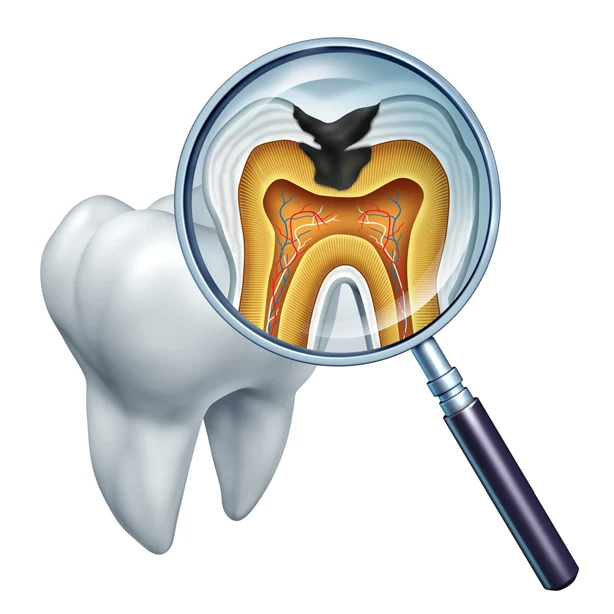
No Root Canal? What’s the Worst that Could Happen?

Image

Have you ever wondered: “Do I have to have root canal therapy?   What’s the worst that can happen if I don’t?”

We are glad you asked! Having a root canal may seem like an intimidating and painful experience, so we are not surprised when some patients are hesitant to go through with it.

But, the fact of the matter is that: root canal treatments save natural teeth. And saving your natural teeth is the most important thing we do as oral health professionals.

Still not convinced? Here are some more compelling reasons to follow through with that root canal treatment:

  • An infected root won’t get better on its own. The pain may go away after some time, but that is not because the infection is gone, it is because the nerves are no longer working properly due to that infection.
  • Abscesses and Systemic Infections: Left untreated, an infected tooth can spread to the gums, causing a serious abscess in the jaw that requires emergency treatment. In rare cases, that could spread even further, creating a systemic (whole body) infection, which has the potential to be life threatening.
  • The role that natural teeth play in the overall health of your body during its lifetime is something that we are learning more about every day. This important role cannot be overstated. A lost, permanent tooth may not seem like a big deal to you now, but it creates a domino effect of health problems down the road. For example, a missing tooth causes nearby teeth to shift, exposing them to more decay and more tooth loss down the road. This can affect your ability to maintain a healthy diet and, in turn, affect the quality and even the span of your life.
  • Money: Even if aesthetics don’t matter to you, a lost tooth will probably cost you more money in the long run than a root canal will, now. When a tooth is missing, the jaw underneath that site atrophies. This makes it more expensive to perform restorative procedures such as dental implants in the future, as they will require more extensive prep-work such as bone grafting.

The bottom line is that your natural teeth are best. Endodontic therapy is typically the best way to save a natural tooth. It is also the most commonly used procedure, that Drs. Nigro or Askins have to help you keep your natural teeth for life.

Posted by O-G Family & General Dentistry on Aug 26th, 2015 4:05 am
Posted in
| Comments Off on No Root Canal? What’s the Worst that Could Happen?

Fluoride: Nature’s Cavity Fighter

Image

Nobody likes coming to the dentist to have a cavity filled! Many of our patients ask us how stop a cavity before it happens. Many people have heard of fluoride but wonder how it works and if it is safe. We wrote this blog to answer your questions about fluoride and to help you understand its benefits and how to use it effectively.

Fluoride occurs naturally in certain foods. You might be surprised to learn that it can be found in black teas and raisins, and in our water sources, such as lakes and rivers. And, because it provides such good protection from tooth decay, it has been added to dental products to help prevent cavities.

Fluoride works for both children and adults. It’s true! Before teeth even erupt through the gums, fluoride taken in from certain foods and supplements makes tooth enamel stronger and therefore more resistant to decay. After teeth erupt, brushing with fluoride toothpaste helps rebuild (remineralize) weakened tooth enamel, reversing early signs of cavity formation. In addition, the fluoride you consume becomes a part of your saliva, constantly bathing your teeth with tiny amounts of the cavity fighter. While it is critical for infants and children to be exposed to fluoride when primary and permanent teeth are forming, new research indicates that topical fluoride is just as important in fighting tooth decay for adults!

Use the correct amount of toothpaste to benefit your teeth. While all toothpaste removes plaque (a thin film of bacteria that can cause gum disease and tooth decay), only toothpaste with fluoride can prevent tooth decay by making teeth stronger. Make sure you’re using the correct amount of toothpaste with your children!

  • For very little ones, under 3 years of age, parents and caregivers should begin gently brushing teeth as soon as they come into the mouth with an amount of fluoridated toothpaste the size of a few grains of rice.
  • For children ages 3 to 6, a pea-size amount of toothpaste is best. Everyone should brush their teeth twice a day and make sure to supervise children to help instill good habits.

Some mouth rinses also contain fluoride. You may already be protecting your teeth with fluoride without even knowing it! However, mouth rinses should not be used with children under the age of 6, as they may not be able it use it appropriately.

You may have fluoride in your water. Your community may have chosen water fluoridation (simply adding fluoride to drinking water) as a public health benefit. Water fluoridation is safe, effective, and healthy. The Center for Disease Control has noted water fluoridation as one of the ten best public health achievements of the 20th century.

For your best dental hygiene routine, ask Dr. Nigro or Dr. Askins during your next visit about the right fluoride products for you and your family. Your oral health is our priority at O-G Family & General Dentistry so we want to answer any questions that you have. Armed with the right information, your family can have healthy teeth for life. Contact our office to schedule your next visit! We can’t wait to see you soon!

Posted by O-G Family & General Dentistry on Jul 29th, 2015 3:15 am
Posted in
| Comments Off on Fluoride: Nature’s Cavity Fighter

Osseointegration: Big Word, Simple Concept!

Image

Was this word the invention of an evil doctor who loves long and complicated words? No! Osseointegration actually derives from the Greek osteon, bone and the Latin integrare, to make whole. It’s a physical process that was first observed by Swedish researchers in the 1960’s and refers to the functional connection between a titanium implant and living bone. Simply put, without osseointegration, dental implants wouldn’t work!

Osseointegration is a natural process: When the titanium dental implant connects to bone cells, it is locked into the jawbone, forming a solid bond. While the process is natural, the implementation isn’t simple. Implant healing times and initial stability depend on implant characteristics and to a large extent on your doctor!

The first evidence of the bone bonding with the implant occurs after a few weeks, while a more robust connection progresses over the next months or years. The osseointegration process will make the implant resistant to external shocks over time, but it can still be damaged from trauma or poor care.

The benefits of dental implants can’t be overstated! Not only do they give you a fully functioning bite back, they also prevent your jawbone from deteriorating and protect your facial profile.

Give O-G Family & General Dentistry a call if you have questions about the dental implant process!

Posted by O-G Family & General Dentistry on Jul 19th, 2015 3:09 am
Posted in
| Comments Off on Osseointegration: Big Word, Simple Concept!

Have You Considered Veneers? They Can Instantly Transform Your Smile!

Image


Partnering with your dentist and choosing the shade and other aesthetics of your new smile!

Have you ever wanted to be the architect of your own smile?   Do you look in the mirror and pinpoint exactly what you’d change about your teeth, if you could? Veneers are your opportunity to do, just that!

There are certain qualities a veneer candidate’s mouth must possess. These qualities are as follows:

  • Good overall health
  • Absent signs of tooth decay and/or gum disease
  • Not a habitual teeth grinder
  • Properly aligned bite, teeth are more or less in normal positions
  • Sufficient tooth enamel in order to support the veneer

After you have become an approved veneer candidate, we will become partners in designing your ideal smile! Veneer qualities can be described as: durable, hard, strong, translucent and glassy. Most people may not know this but veneers actually are fairly translucent and act like a contact lens would on your eye. This translucence allows for the natural tooth color to come through, yet that the lab technician can bake your approved hue into your set of veneers can enhance the shade. There are three aspects to the shade selection process.

  • Color Tone – the natural tones of teeth are: red, blue and yellow
  • Chroma – the intensity of the hue
  • Value – the darkness or lightness of the hue

You will still be able to eat hard food (such as an apple) and maintenance of your new veneers will not differ from your current tooth care routine. Brush and floss as normal, simply avoiding abrasive toothpastes. A good home care regimen will insure your veneers lifespan.

If you’re thinking about veneers you should call us so we can help you decide if this cosmetic service is right for you! It’s never too late to get the smile you’ve always dreamed of.

Posted by O-G Family & General Dentistry on Jul 19th, 2015 2:59 am
Posted in
| Comments Off on Have You Considered Veneers? They Can Instantly Transform Your Smile!

Dental Implants: What to Expect

Image

If you have been considering dental implant surgery, you might be concerned about what to expect. Questions such as: “Will I need to take time off of work?”, “Will I need bone grafting?” and “How quickly will I heal?” are not uncommon. We get that you’ve got questions, and we’ve got answers.

Placing a dental implant is a process that is different for each patient. The healing process and the steps required all depend on what’s going on in your mouth. The only way to know exactly what to expect is to consult with us at our office, but we’d be happy to give you an overview here:

Can I go back to work right away?
You may have read that it can take months to completely heal from a dental implant procedure. This is true, but a little misleading. Many patients are able to return to work the next day, but the mouth takes time to truly be ‘good as new’. It all depends on your specific procedure. We recommend that you plan to rest for a day. Keep in mind that your body will heal faster if you avoid exhausting yourself. If you take good care of yourself, you should be back to work very quickly.

How can I care for myself while I heal?
After the surgery, you will need to go easy on your mouth. Just like after any oral surgery, we recommend eating only soft foods for at least two weeks. You may be given antibiotics and instructions to rinse with salt water. Keeping your mouth clean is important to prevent infection. Avoid smoking.

About Bone Grafting
It may be the case that your bone is not strong enough to support the implant. In this case, bone grafting may be necessary. During this routine procedure, we take bone from a stronger part of your jaw or another part of your body, implant it into the jaw and are thus able to encourage your body to begin growing strong, new bone in its place. If you only need a small amount of bone, it may be possible to do the procedure during the same appointment as your implant surgery. However, it may be the case that you need to wait for bone growth to occur prior to us placing the implant. Every case is different.

Let us properly inform you on what you personally can expect! Schedule an appointment today!

Posted by O-G Family & General Dentistry on Mar 23rd, 2015 9:14 am
Posted in
| Comments Off on Dental Implants: What to Expect

Invisalign: What You Can’t Always See

Image

According to the American Association of Orthodontics, over four million Americans are undergoing some form of orthodontic treatment at any given time, and anywhere from 40-70% of the population of this great nation have enjoyed the presence of braces. That means that almost every third person you see out and about — enjoying a salad in a café, gulping down a coffee on the bus, eating a bag of carrot sticks while on the commuter grind – was once (in theory) completely restrained from doing so! They did survive, and they bless us with their smiles on the daily.

But sometimes, for whatever reason, grown-up teeth misbehave. Whether it’s a result of childhood neglect, less-than-stellar eating habits, or just nature’s unpredictable pattern, some of us are left with the distasteful task of finding any slightly bearable treatment, especially since the alternative seems to be a catapult back to middle school and an era of wire-frame glasses and colored rubber bands.

Never fear, Invisalign is here! That isn’t the official slogan (and for good reason) but it would be apt. Since 1997, when a Silicon Valley start-up created the clear plastic aligners as an alternative to traditional braces, some would say that Invisalign changed the brace game forever. With FDA approval that came three years after launch and ten years of perfecting the process, Invisalign’s 2000 TV marketing campaign was deemed “the most aggressive consumer advertising plan the dental profession has ever seen.” With all eyes on the teeth, Invisalign has rocketed into the mainstream dental industry, and it seems like it’s here to stay.

Since Y2K, almost 75% percent of all orthodontists in the United States have been trained to implement Invisalign’s computer-generated systems. The clear plastic trays seem less intimidating from the outset, and present an attractive option for people with metropolitan routines and busy schedules. Treatment plans averaging 22 hours a day for 9-12 months make it a pretty serious commitment, but like any good thing, the time invested isn’t wasted. If you’re hoping to improve esthetic and refine functionality, consider Invisalign: it may be your best bet.

Posted by O-G Family & General Dentistry on Feb 24th, 2015 9:08 am
Posted in
| Comments Off on Invisalign: What You Can’t Always See

Porcelain Veneers for a Flawless Smile

Image

Here are some common questions we are asked regarding veneers:

Will they feel weird on my teeth?
You won’t feel a thing. Veneers are thinner than your fingernails, so you won’t even notice them in your mouth. They are far less intrusive (and embarrassing) than braces.

How long do they last?
Longer than your car. A good, properly placed veneer can last from 10-20 years. And, just like a car, the better you take care of your veneers, the longer they’ll last. A great investment for an enhanced smile!

Will they ever fall off?
They’re not going anywhere. Veneers are attached to your tooth with a very strong bonding compound. It’s like superglue designed for teeth. They do not fall off and provide years of durable use.

Do veneers look like natural teeth?
You can count on it. Porcelain is the perfect material to copy tooth enamel, as it incorporates luster, shine and translucence to look just like your natural teeth. People will be remarking on your great smile for years to come.

What if the surrounding teeth are a different color?
We’ve got you covered. Generally we recommend a whiter shade of porcelain for the veneer and perform tooth whitening in conjunction with the veneer to give you a perfect match throughout your mouth.

Do veneers stain?
They’ll always be white. Porcelain veneers do not stain, even over time. That’s one of the reasons that we use this material!

If you want to take your smile to the next level, ask us if veneers are a good option for you!

Posted by O-G Family & General Dentistry on Jan 27th, 2015 9:02 am
Posted in
| Comments Off on Porcelain Veneers for a Flawless Smile
Image

Dr. Anthony Nigro, DMD
& Dr. Anvita Rastogi

Call our office today at Glandorf Office Phone Number 419-419-3334 or 888-787-4808 to make an appointment.
Image

O-G Family & General Dentistry